— WHO MADE THIS? Round Two
01. From the First Intervention to the Second
On 18 October, I went to Frieze London for the second round of my WHO MADE THIS? intervention. This time, I spoke with people from different backgrounds. Some worked in art or design, some were visiting because they enjoyed art, and others did not use AI in their everyday lives.
During my first intervention at Hauser & Wirth Somerset, I wanted to find out whether explaining the creative process could help viewers better understand human contribution. For the second round, I wanted to explore a slightly different question: If someone initially likes a moving image, will their opinion change when they find out that AI was used to make it?
My initial hypothesis was that learning about AI involvement might make some people value the creativity or human contribution less. But I was also interested in other possibilities. Some people might not mind at all, some might become more curious, while others might start questioning where the material came from or how the work was made.
While the first intervention mainly involved people responding as viewers, this time I also wanted to speak with people who had creative experience. I was interested in comparing how participants from different backgrounds understood AI involvement and why they made certain judgements.
The Day Before: Eight Exhibitions in London
The day before Frieze London, I visited eight exhibitions across London. I also made visual records of some of the things that stayed with me, particularly those related to how information about artworks was presented.
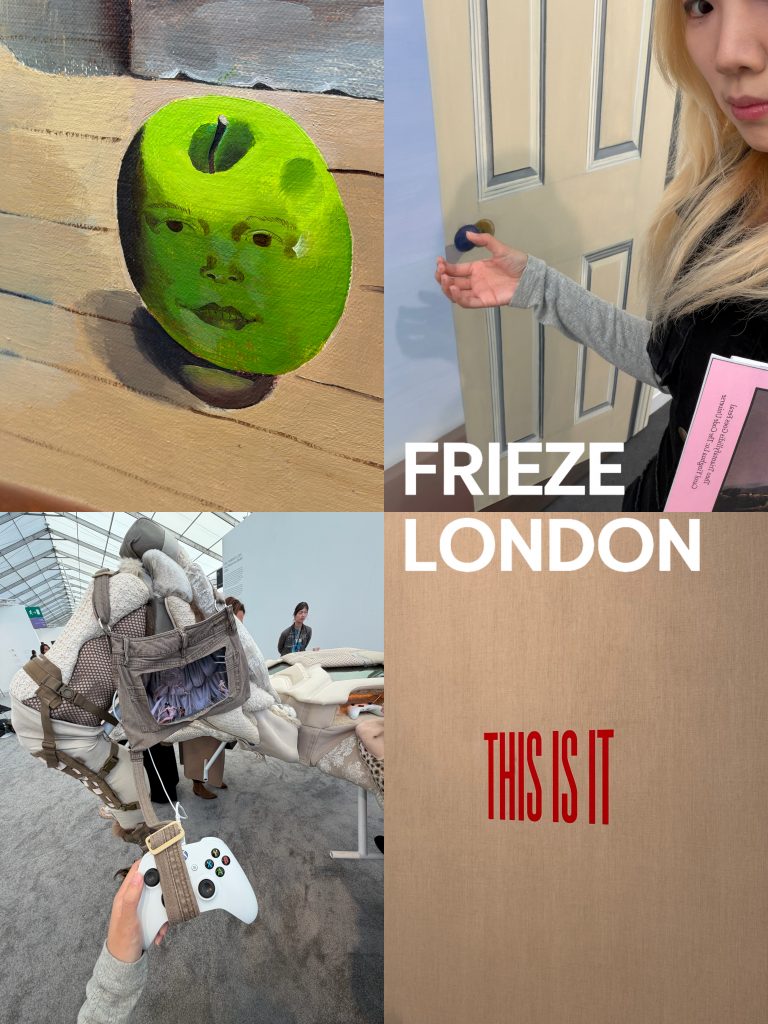
Visiting so many exhibitions in one day meant constantly moving between different works and spaces. Some pieces caught my attention immediately through their visual appearance, while others became more interesting after I read about the artist’s ideas or making process.
I noticed that I often formed an impression of a work before knowing much about how it had been made.
This connected with the viewing sequence I wanted to explore in my second intervention. When we encounter an artwork, we usually see the finished result first, rather than the full process behind it. If more information is gradually revealed, does it change how we understand what we have just seen?
The following day, I brought my MV footage and AI production workflow to Frieze London. I wanted to speak with more people who had creative experience and compare how participants with different backgrounds responded.
02. Watching First, Then Exploring the Creative Process
For this intervention, I continued using the same MV screenshots and video material from the first round.
I began by showing participants the moving image and asking about their first impressions. I wanted to know which parts caught their attention, which elements they thought had been created by people, and which they suspected might involve AI.
Some participants had already guessed that certain images were AI-generated before I explained anything. I paid particular attention to this when reviewing my notes, because for these participants, the later disclosure was not entirely new information. It was more a confirmation of what they already suspected.
I then explained how the video combined AI-generated imagery with filmed footage. We also discussed the different creative roles involved in production and how some of the decisions had been made.
After our discussion, I invited participants to enter prompts that had been used during the original production, so they could experience part of the generation process themselves.
I then showed them more of the materials behind the moving image, including visual references for different scenes, alternative image versions, and how these materials had gradually developed into the final shots.
I wanted participants to do more than listen to an explanation of AI use. By trying part of the process themselves, they could return to the finished moving image with a more direct experience of how some of its elements had been produced.
03. What Did I Show Participants?
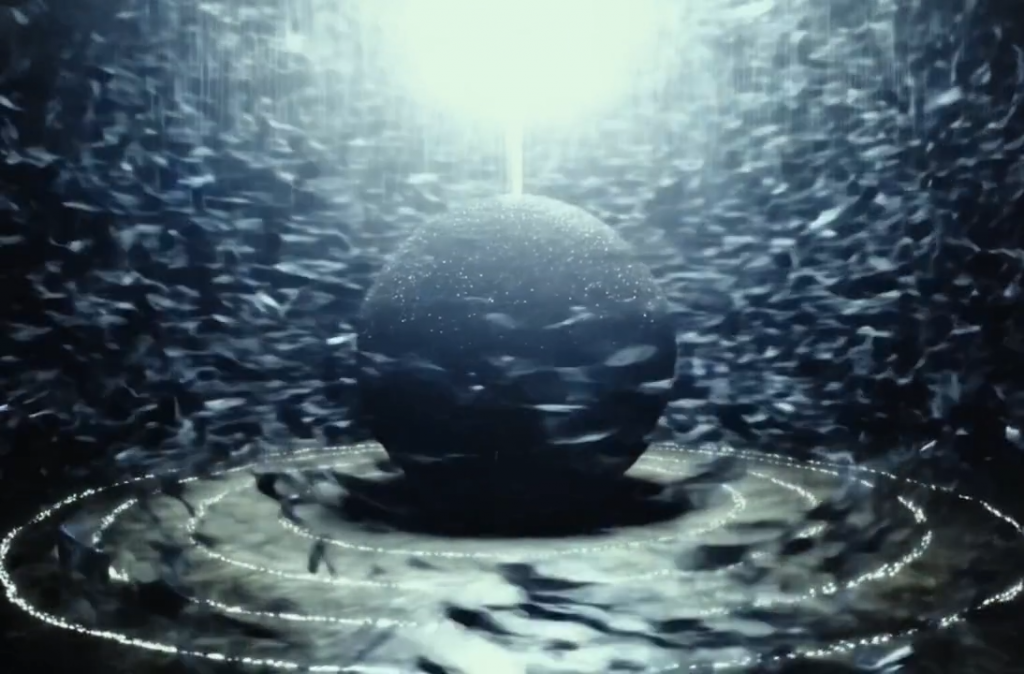
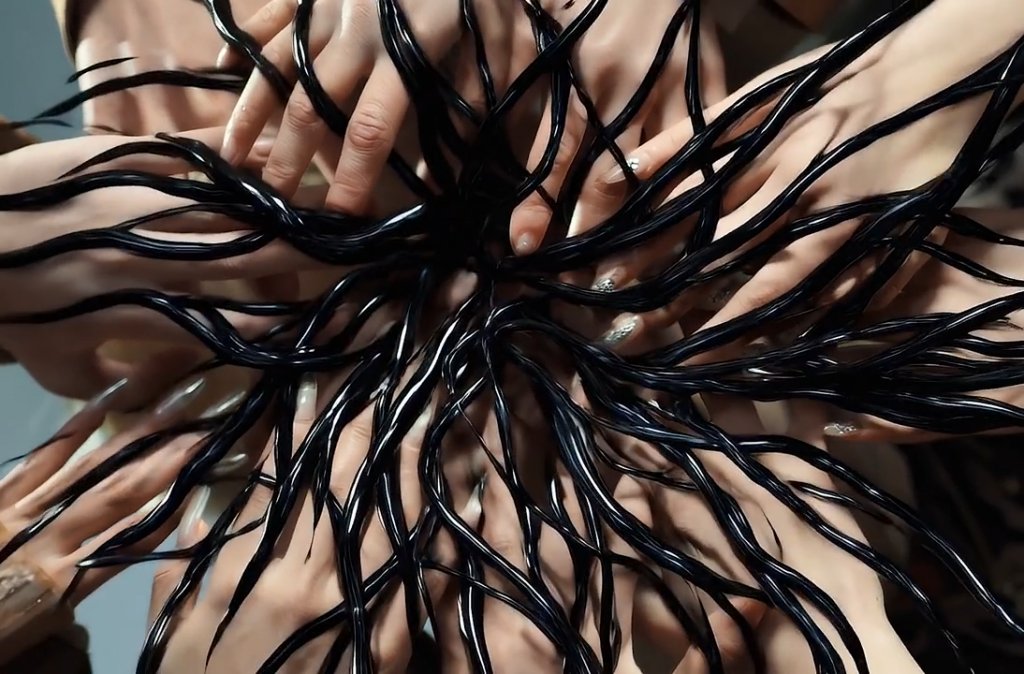
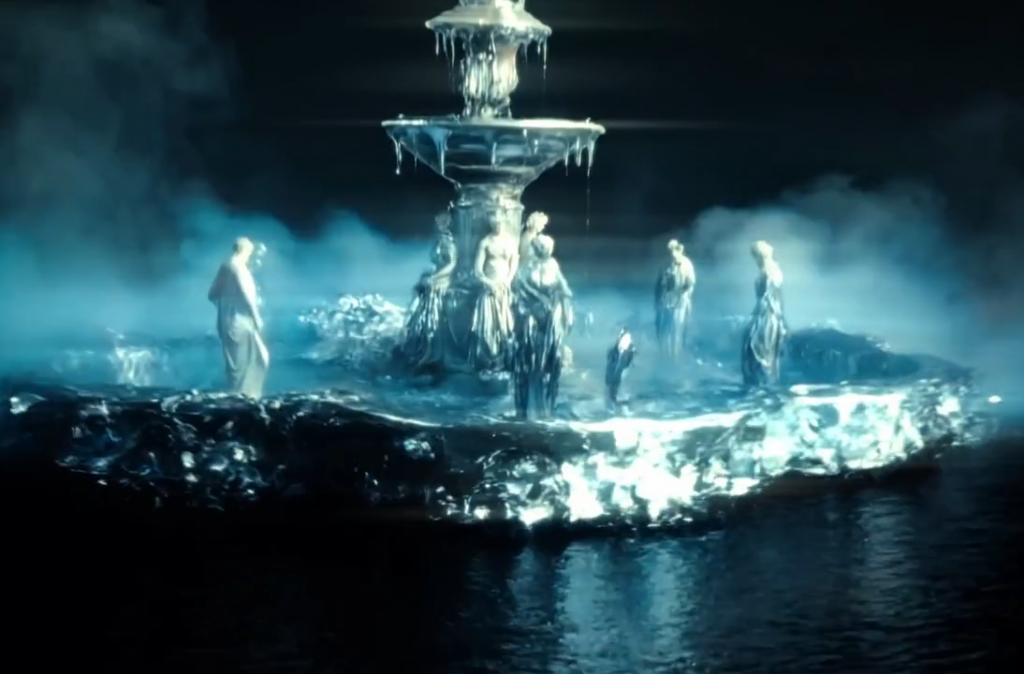
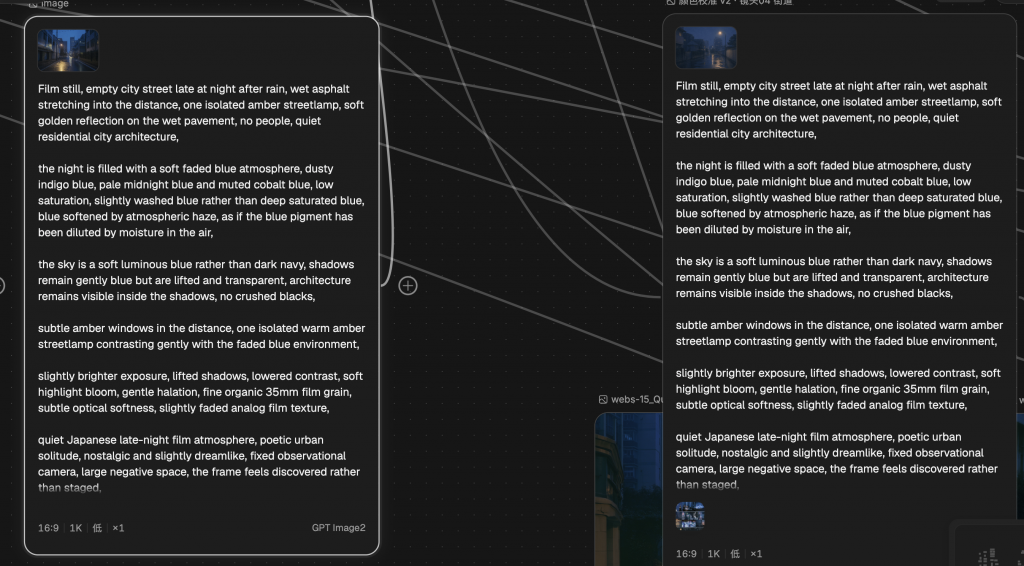
To explain the production process, I used materials I had kept from the development of different scenes and shots, including alternative versions of the images.
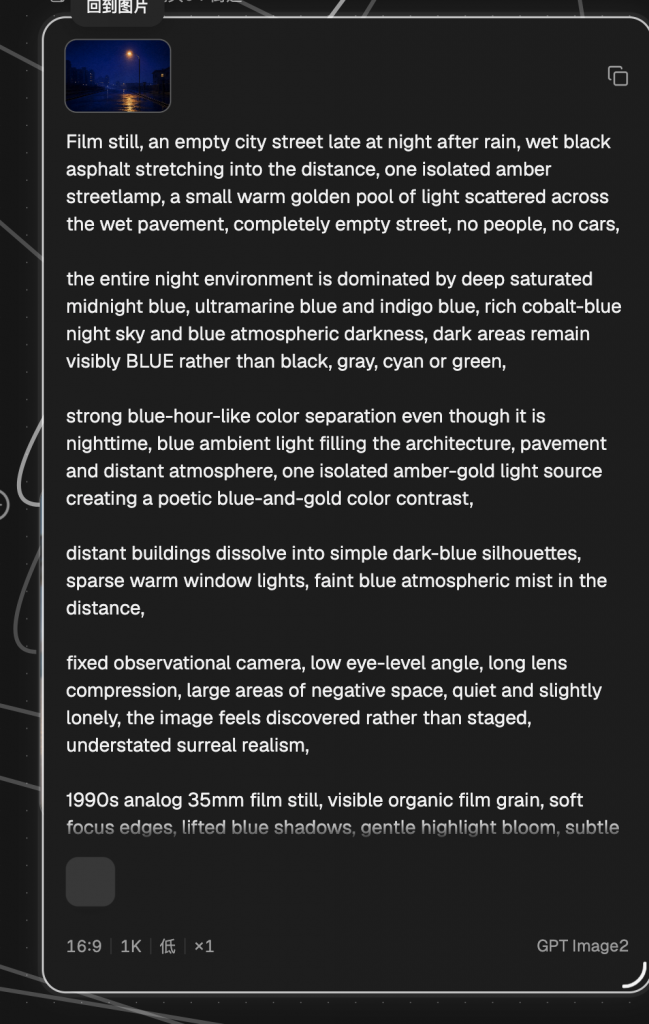
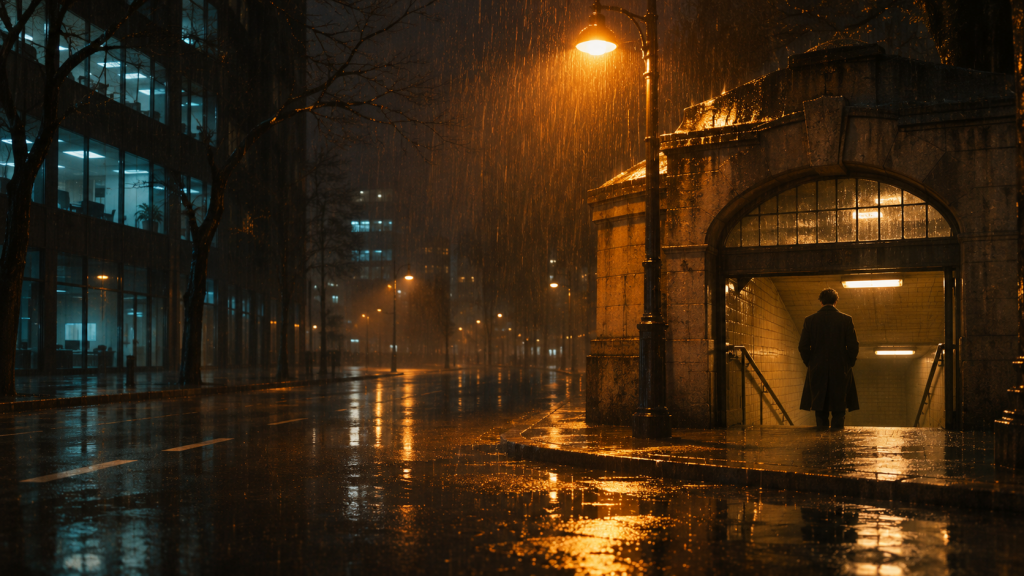
For example, the night street scene went through several visual adjustments involving colour, lighting, atmosphere and composition. Other shots included an underground passage, reflections in windows, distant figures and the connections between different locations.
These materials showed that the final moving image did not come from a single generated result. The same scene could exist in several versions, with repeated adjustments bringing it closer to the intended visual direction.
However, while organising these materials again, I noticed something important.
A workflow can show us what changed in an image, but it does not necessarily tell us why the change was made.
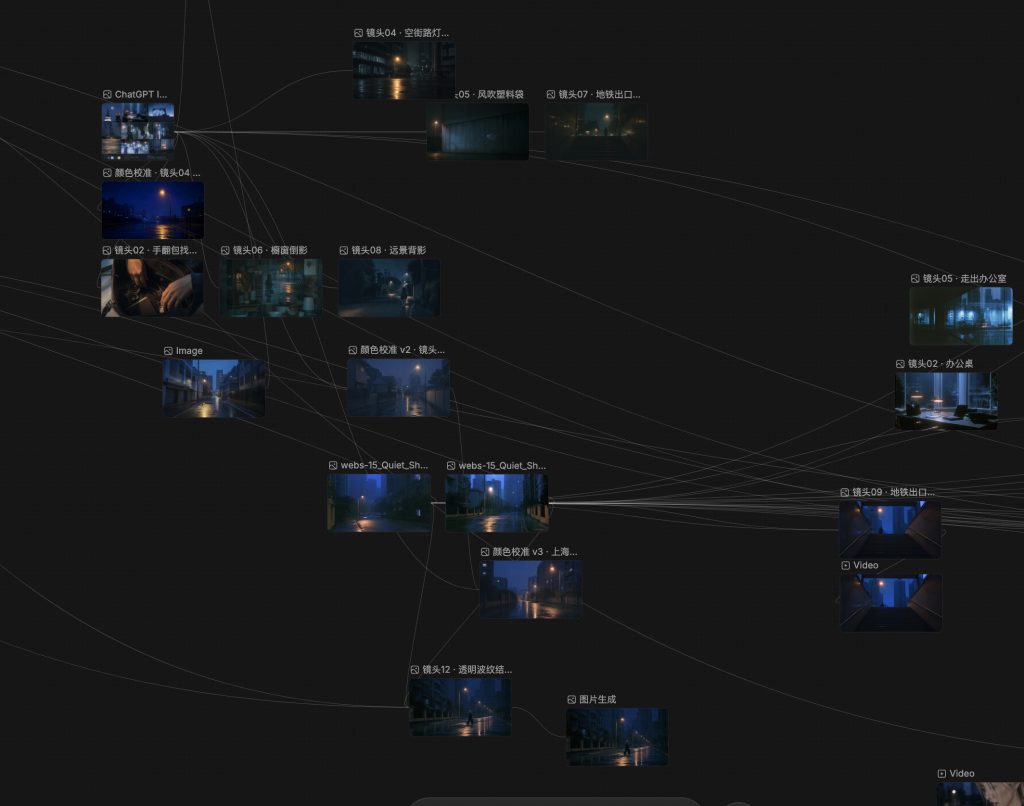
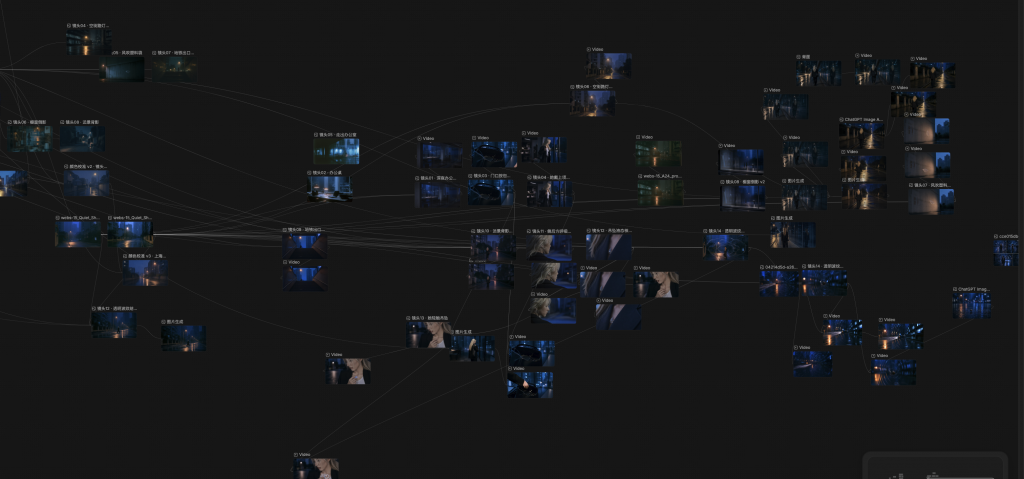
For example, when comparing two versions of a blue night scene, viewers can see the difference in colour and lighting. But they may not know why the creator chose that particular lighting, or how the decision relates to the emotion of the work.
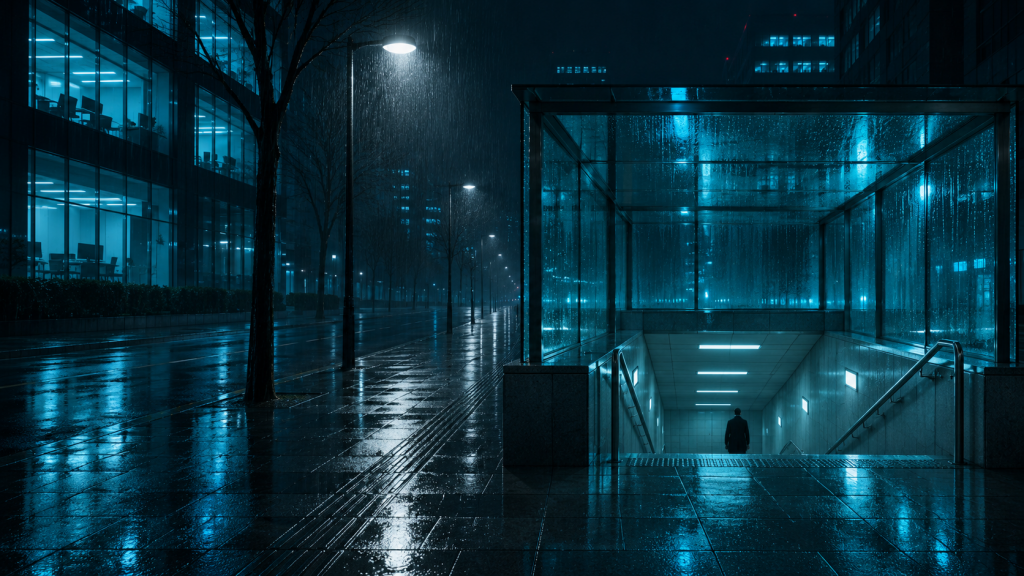
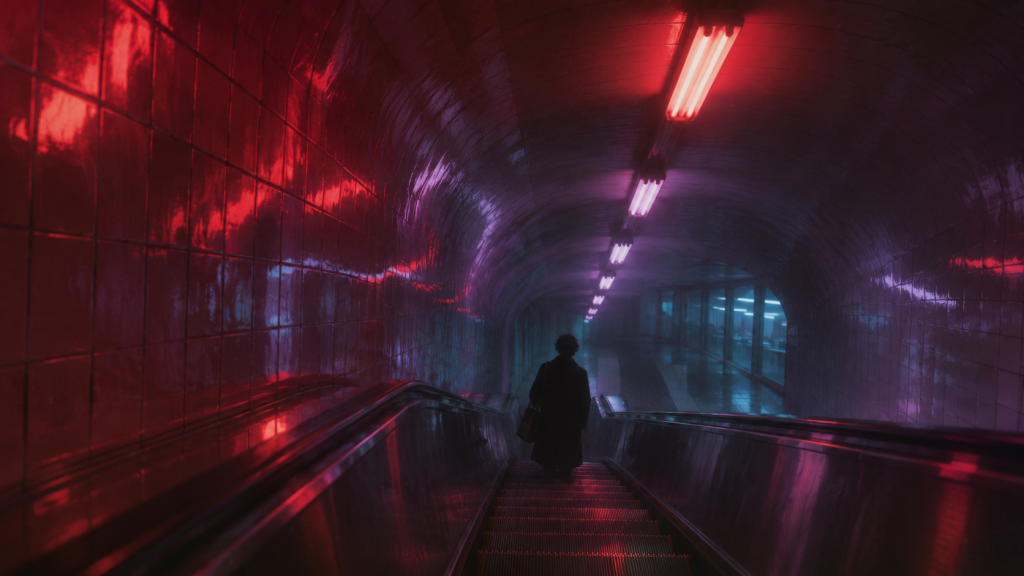
This made me reconsider what it actually means to show a creative process.
A workflow can document actions, but a record of actions does not necessarily explain creativity.
It can help us see how a work developed, without necessarily showing which decisions were most important in shaping the final result.
Visual documentation: scene references, night-scene colour adjustments, alternative shot versions and production workflow.

04. Participant Feedback
I organised the conversations into eight records, involving nine participants in total. P8 was a married couple. The following accounts are summaries based on my interview records, rather than verbatim quotations.
P1 | Herry — Commercial Designer Who Uses AI
Herry first noticed the atmosphere and editing of the moving image. He also felt that the work had a clear visual direction.
When I told him that AI had been used, his opinion did not change significantly, as he had already suspected that some of the images were AI-generated.
We discussed when AI might reduce the perceived value of human creative contribution. He felt that if someone simply accepted a generated result without developing their own expression, their creative involvement might be limited.
For him, the use of AI was not the deciding factor in judging creative value. What mattered more was whether the creator had developed a personal form of expression.
P2 | Stacybaek — Advertising Director Who Also Creates Lifestyle Vlogs
Stacybaek was visiting with her family. She thought the moving image felt cinematic, but was less certain about how to judge the creativity involved.
She sometimes uses AI for writing-related tasks, but has relatively limited experience with AI image generation.
After learning about the production process, she understood that people were involved in selecting materials and editing. However, she was still unsure how much creative value should be attributed to those activities.
She also compared AI-generated imagery with traditional computer-generated visual effects. For her, understanding the technical difference between them was not enough to judge what the creator had actually contributed.
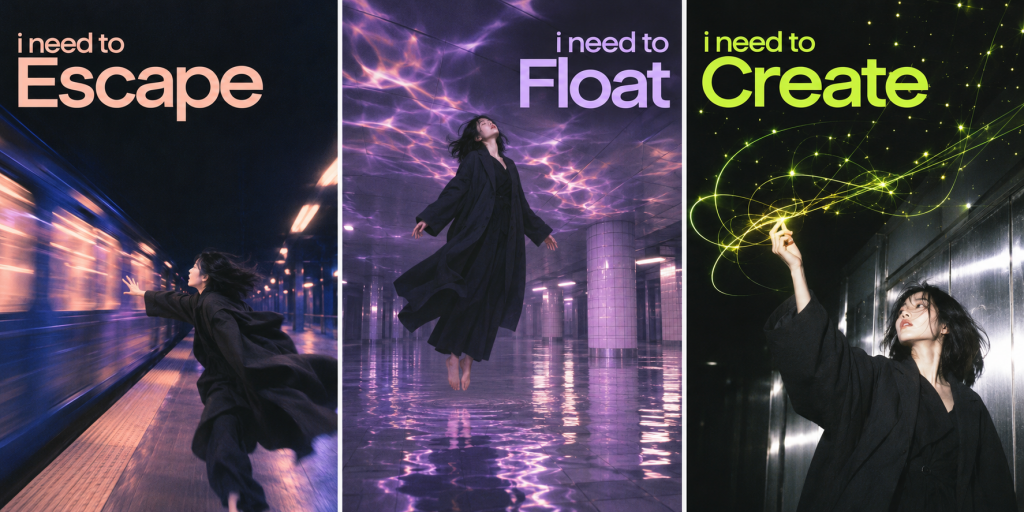
During the hands-on activity, Stacybaek also experimented with creating an AI-generated poster for her own short film. This gave us another way to discuss AI, not just as something used in the video I showed her, but as a tool she could explore in relation to her own creative practice.
P3 | Judy — Text Editor Who Uses AI
Judy liked the combination of filmed footage and imaginative imagery. She could also recognise that human creative ideas were involved.
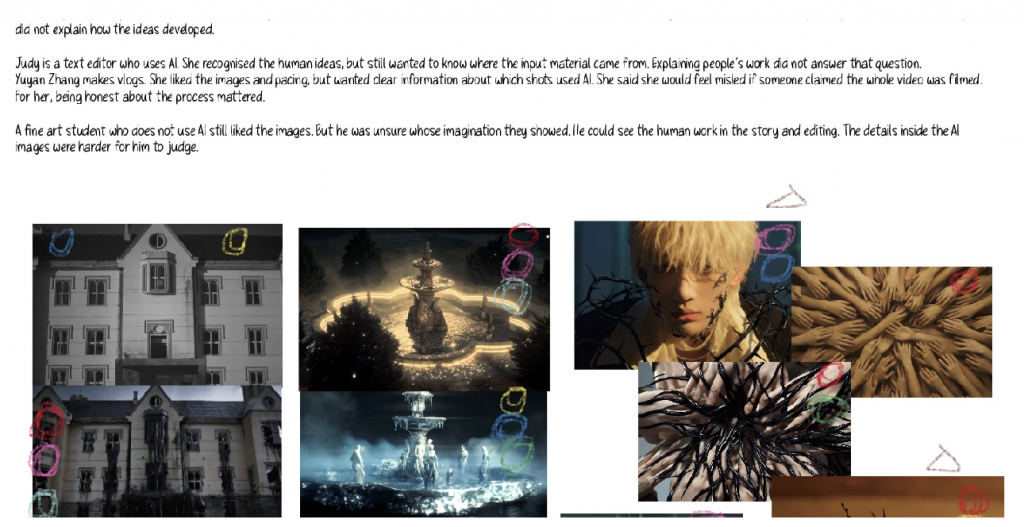
However, she was particularly interested in another set of questions: Which tools had been used? Where did the materials behind the generated images come from?
My explanation helped her understand human involvement more clearly, but it did not fully address her concerns about the sources of the material.
She did not think that using AI meant there was no human contribution. What mattered to her was whether the creator could clearly explain how the content had been produced.
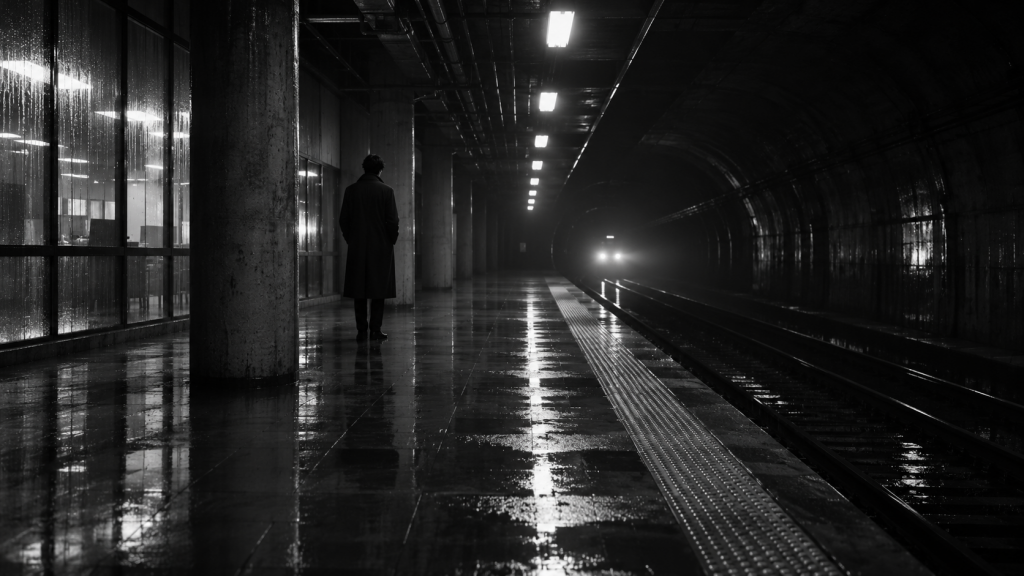
P4 | Yuyan Zhang — Vlogger
Yuyan was interested in the rhythm and visual qualities of the moving image and was willing to learn more about how it had been made.
She was comfortable with information being revealed gradually during a research activity, but she placed importance on how accurately a creator described their production methods.
For example, if a work had used AI but was presented as entirely filmed footage, she would find that misleading.
She wanted to know more specifically which shots involved AI, rather than receiving a general statement that AI had been used somewhere in the production.
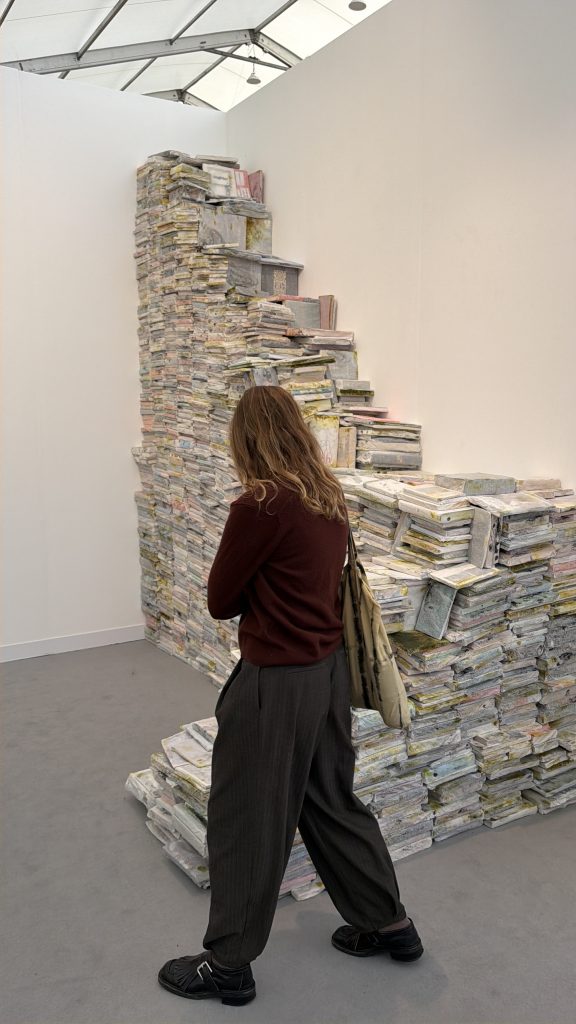
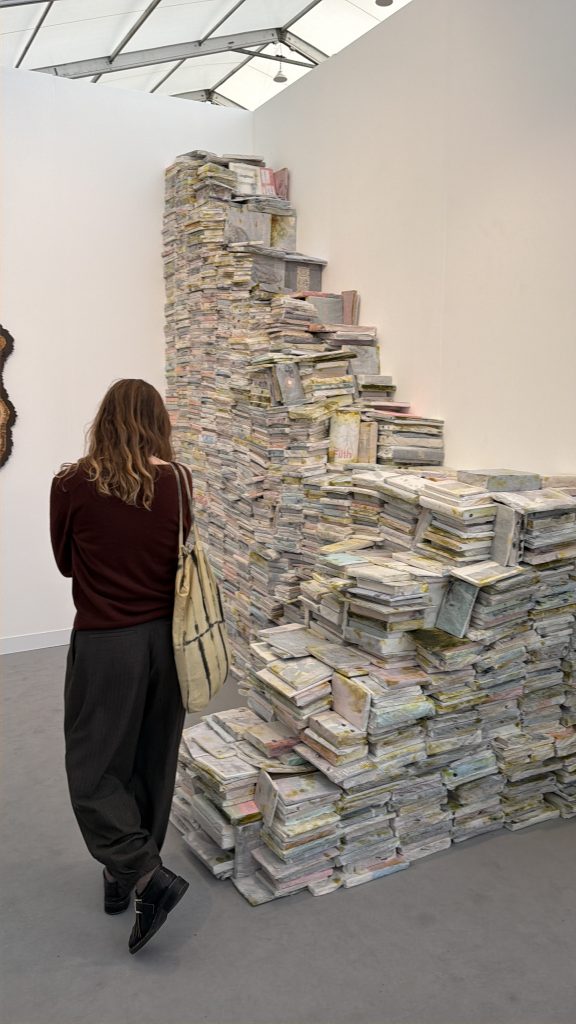
P5 | Lucy Zhao — Student Interested in Concept Design
Lucy was familiar with AI and initially found the moving image imaginative.
However, after learning that AI had been used, she became more interested in where the visual ideas had actually come from.
She wanted to know whether the images had been imagined by the creator beforehand or selected after AI had generated them.
Even after learning about the different production roles, she felt that this question had not been fully answered.
We also discussed whether an unexpected AI-generated result could become part of a creative process. She thought it could, but was more interested in what happened afterwards: how the creator developed that result and turned it into their own expression.
P6 | Anonymous Visitor Who Does Not Use AI
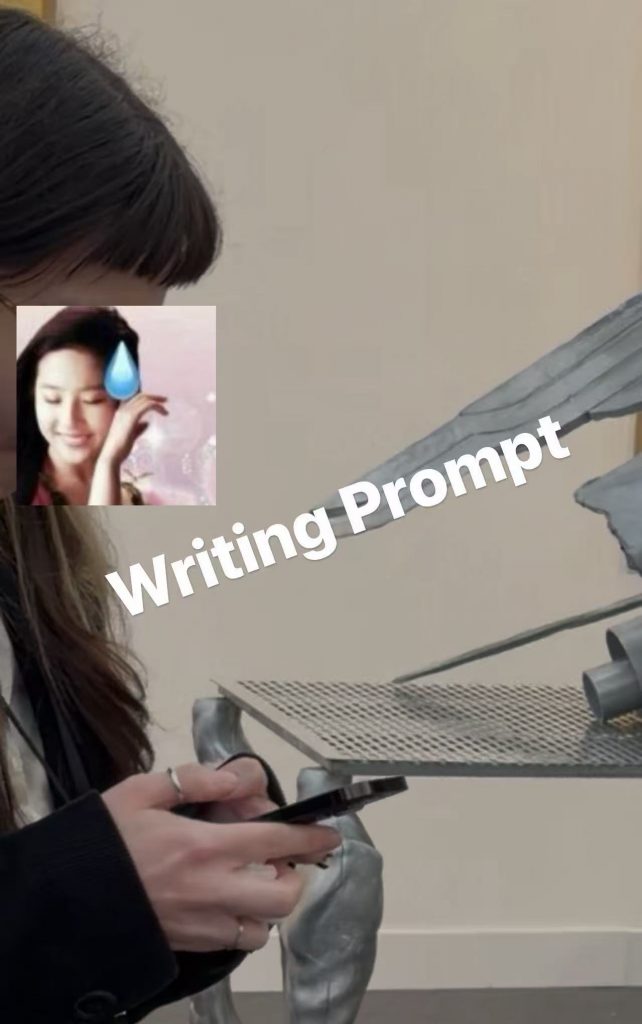
This participant was mainly visiting the fair to look around and take photographs. During our conversation, she also selected and marked some of the materials I showed her.
She liked the colours and characters in the moving image and was interested in watching more. Learning that AI had been used did not significantly change her enjoyment of the work.
Understanding the production process gave her more information, but it did not change what had originally attracted her to the image.
However, she also mentioned situations where production methods might become more important. For example, if content imitated a real person or an image could be mistaken for a real event, she would want a clearer explanation.
P7 | Mark — Fine Art Student Who Does Not Use AI
Mark initially assumed that the visual ideas in the moving image had all been planned by the creator in advance.
After learning that AI was involved, he still found the images visually appealing, but became less certain about which details had actually come from human imagination.
After hearing about the different production roles, he could recognise the human contribution to storytelling and editing. However, he remained unsure who should receive creative credit for specific details within the AI-generated images.
His response highlighted a distinction I had been exploring: appreciating the visual result of a work is not necessarily the same as knowing who should receive recognition for creating it.
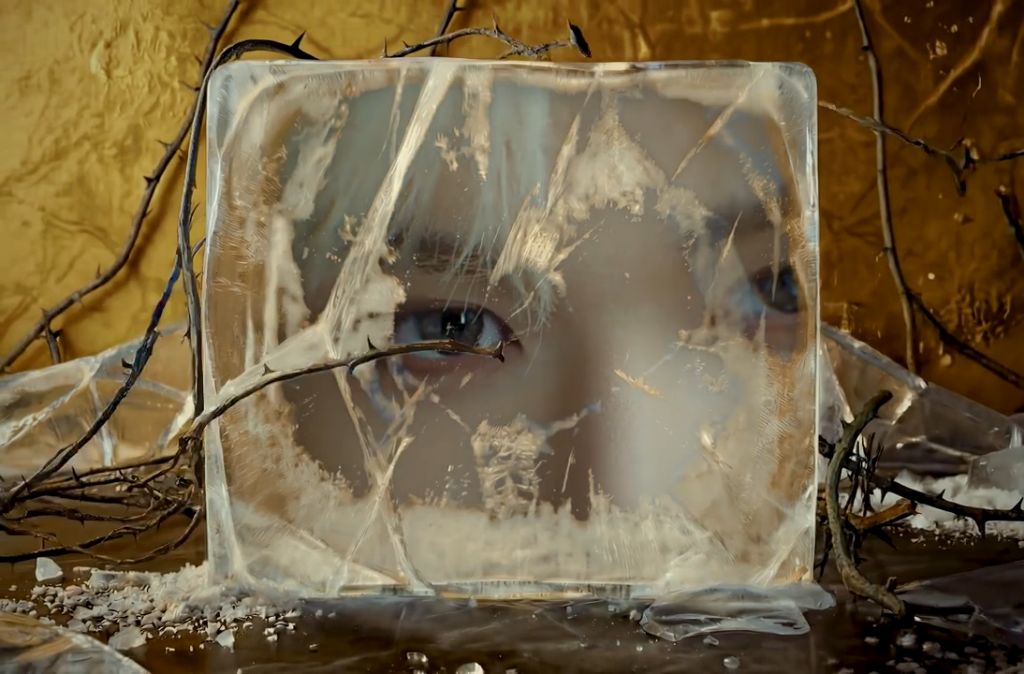
Mark shared one of his own artworks and agreed that I could include it in my blog.
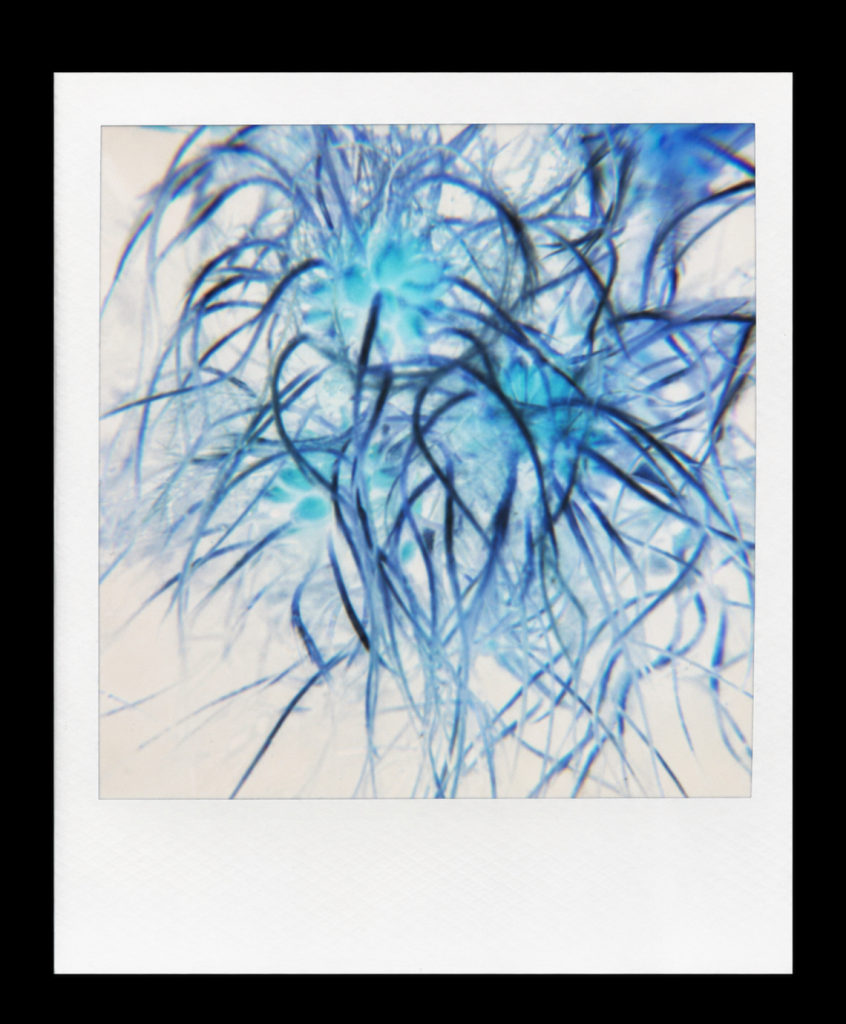
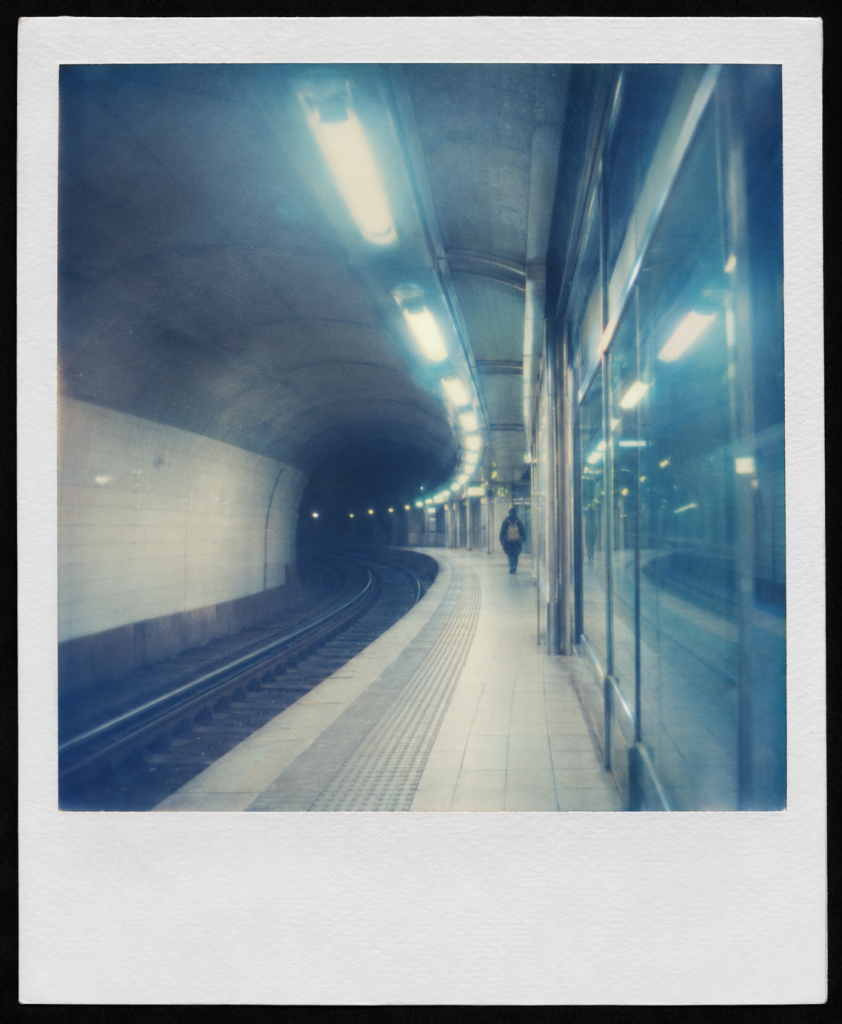
Using his original work as a visual reference, I helped translate some of its visual characteristics into prompts. We then explored how these elements could be applied to a new setting: a subway station.
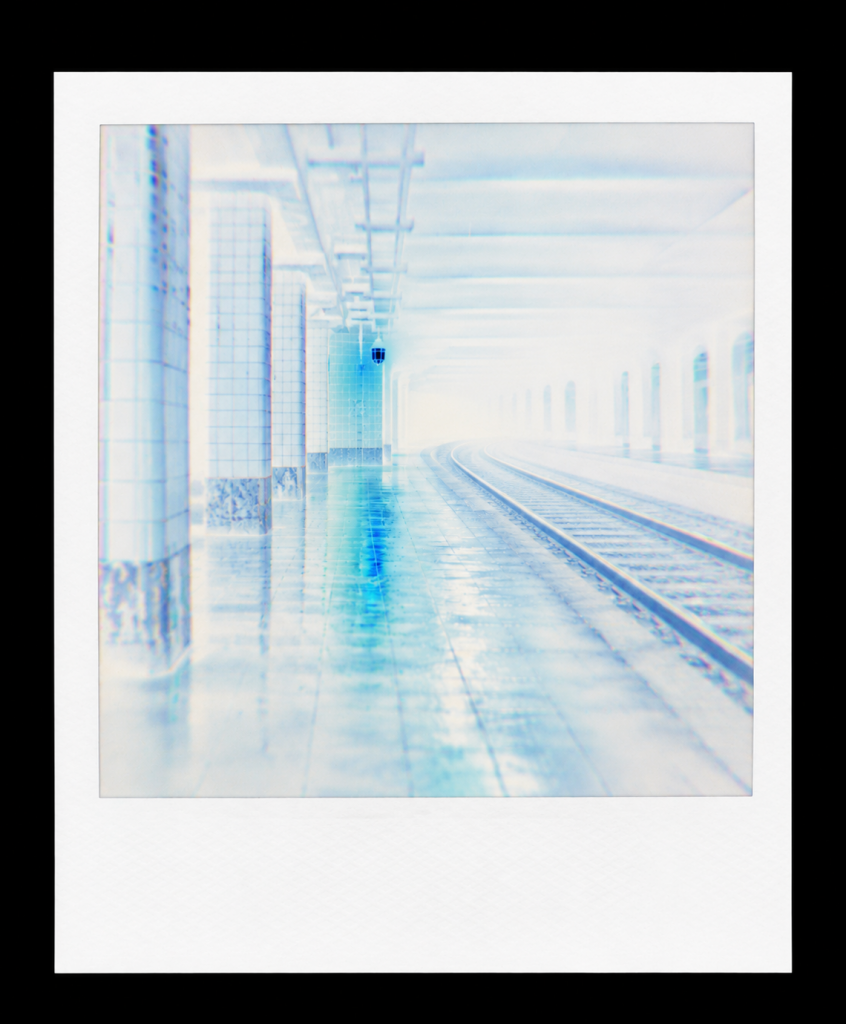
I also introduced a keyword from an earlier participant’s experiment to see how combining different creative inputs might change the result.
This raised an interesting question about creative contribution. The original visual language came from Mark’s artwork, while the prompt development, guidance and combination of different elements involved further decisions. The final image was therefore shaped by several inputs rather than a single creative action.

P8 | David and Lily — Retired Couple Who Do Not Use AI
David and Lily initially understood the moving image as a combination of filmed footage and computer-based visual effects. They also expressed appreciation for traditional craftsmanship.
After learning about the use of AI, they began asking how it differed from animation and conventional computer-generated effects.
They continued to recognise human involvement in the work and understood AI as a tool.
During our conversation, I also showed them a video of an artist making a work by hand. They appreciated the skill involved, but this did not lead them to reject the moving image I had presented.
However, their experience was not directly comparable with that of the other participants, because I introduced an additional reference video. I need to take this difference into account when interpreting their responses.
05. Looking Back at the Conversations: What Were Participants Actually Judging?
After organising the eight conversations, I began to feel that my original question was too simple.
I had been asking whether people’s opinions would change when they found out that AI was used.
But looking back, I think a more useful question is: What exactly were they judging?
P1 and P6 did not significantly change their opinions after the AI disclosure, but for different reasons. P1 was familiar with AI and cared more about whether the creator had developed their own expression. P6 was mainly interested in the viewing experience. As long as the images remained appealing to her, the production method did not necessarily affect her enjoyment.
P2 and P7 responded differently. They understood that people had been involved in the production and could recognise some of the work that had been done. Yet they were still unsure how much creative recognition those contributions deserved.
Lucy raised a further question. If an image appears unexpectedly during AI generation, where does the creativity lie? Is it in the original idea, or in the act of recognising, selecting and developing the unexpected result?
Judy and Yuyan were more concerned with the accuracy of production information. For them, knowing who was involved mattered, but so did understanding where the material came from and which shots had used AI.
These responses helped me separate several questions that I had previously treated as closely connected: Is the work visually appealing? Is it creative? Where is the human contribution? Who should receive recognition? Can the production process be trusted?
They are related, but they are not the same question.
Someone might really like an AI-generated image without knowing which details came from the creator’s original intentions. Equally, someone might recognise the director’s contribution to storytelling and editing while still questioning the sources of the generated material.
Who Actually Needs This Information?
This intervention also made me reconsider who my research is for.
Not every viewer actively wants to know the full production process. For someone primarily interested in the visual experience, a detailed technical explanation may not be necessary to appreciate the work.
However, this information may become more important when someone wants to assess originality, creative value or the sources of the material.
I also noticed that different people wanted different kinds of information. Some were interested in the tools, some wanted to know exactly which shots involved AI, and others were more concerned with where an idea came from and why the creator had chosen a particular version.
This made me question whether presenting the same production information to everyone could really respond to these different concerns.
At the same time, these conversations mainly tell me what viewers wanted to understand. They do not establish what creators themselves would be willing to share, or how clients and commissioners might use this information in a professional production context.
Those questions still need to be explored with creators and other people directly involved in making the work.
06. Conclusion
Looking across both interventions, I think the most important outcome of this research is not that I have proved AI disclosure changes viewers’ opinions. Instead, the two rounds have helped me make a clearer distinction between making a creative process visible and helping people understand creative contribution.
In the first intervention, I focused mainly on explaining the production process and exploring how viewers recognised human involvement. In the second, I introduced AI disclosure, hands-on prompt input and a production workflow, giving participants access to more information about how the moving image had been made.
However, these conversations suggest that even when people can see the production steps, they may not understand what those steps contributed to the final work. Depending on their own experience, participants paid attention to different things, including visual expression, creative attribution, technical methods and the sources of materials.
My focus has therefore shifted towards not only documenting what creators did, but also considering how to explain why those decisions mattered to the work.
In AI-assisted moving image production, human contribution may involve developing ideas, making selections, adjusting or rejecting results, and bringing different materials together to create a particular expression. These contributions cannot be measured simply by the complexity of a workflow or the number of actions involved. Nor should they be dismissed solely because AI was used.
For now, I am beginning to understand the presentation of a creative process as a way of helping others recognise creative contribution, rather than as a standard for proving creative value. What information is worth showing, how it should be explained and who actually needs it will depend on the particular creative context.
The hands-on activities also brought another aspect of creative contribution into focus. In some cases, the visual material came from one participant, while the prompts, guidance and later transformations involved other decisions and inputs.
This made me think more carefully about how creative contributions can be distributed across a process. Recording who operated the tool is useful, but it does not fully explain who introduced an idea, who developed it, or how different contributions shaped the final result.
For my research, this distinction matters because making human contribution visible should not mean reducing it to a list of technical actions. It also means being able to describe the relationships between people, their decisions and the resulting work.
The participants in this intervention included both people with creative experience and those responding mainly as viewers. Their concerns were not always the same, which reminds me that there is no single form of transparency that will necessarily meet everyone’s needs.
There are also limitations to what I can conclude from this intervention. Some participants had already suspected AI involvement before I disclosed it, and the conversations did not all follow exactly the same conditions. I also did not systematically measure changes in participants’ judgements before and after the prompt activity. These records are therefore more useful for understanding different perspectives than for demonstrating the effectiveness of a particular way of presenting information.
Overall, the intervention has helped me define the focus of my research more clearly: not only whether human creative processes can be made visible, but also how those processes are understood and how they relate to the final work.
With this in mind, I have started to think about creators, media and my own project as three connected parts, rather than focusing on a particular tool or presentation method in isolation. I want to explore what role my project could play within this relationship, and how it might offer a clearer way to communicate human creative contribution without claiming the authority to define its value on behalf of creators.