
— A First Round of Exploration at Hauser & Wirth Somerset
Over the past two weeks, I began bringing WHO MADE THIS? into real conversations. For the first round, I visited Hauser & Wirth Somerset in Bruton. I spoke with gallery staff and invited visitors to take part in my intervention.
My hypothesis was: If I clearly explain the human creative process, will viewers better understand the human contribution?
This also connects with Margaret Boden’s (2004) discussion of creativity, where novelty and value are important to how creative work is understood. It helped me think about why explaining someone’s actions might not be enough. People may understand what was done, but still disagree about whether those decisions were creative.
Knowing how a work was made may be different from understanding its creativity. Knowing that someone spent a lot of time on a work does not necessarily mean recognising their creativity or seeing them as its author. Through this exploration, I wanted to test this assumption and understand its limits.
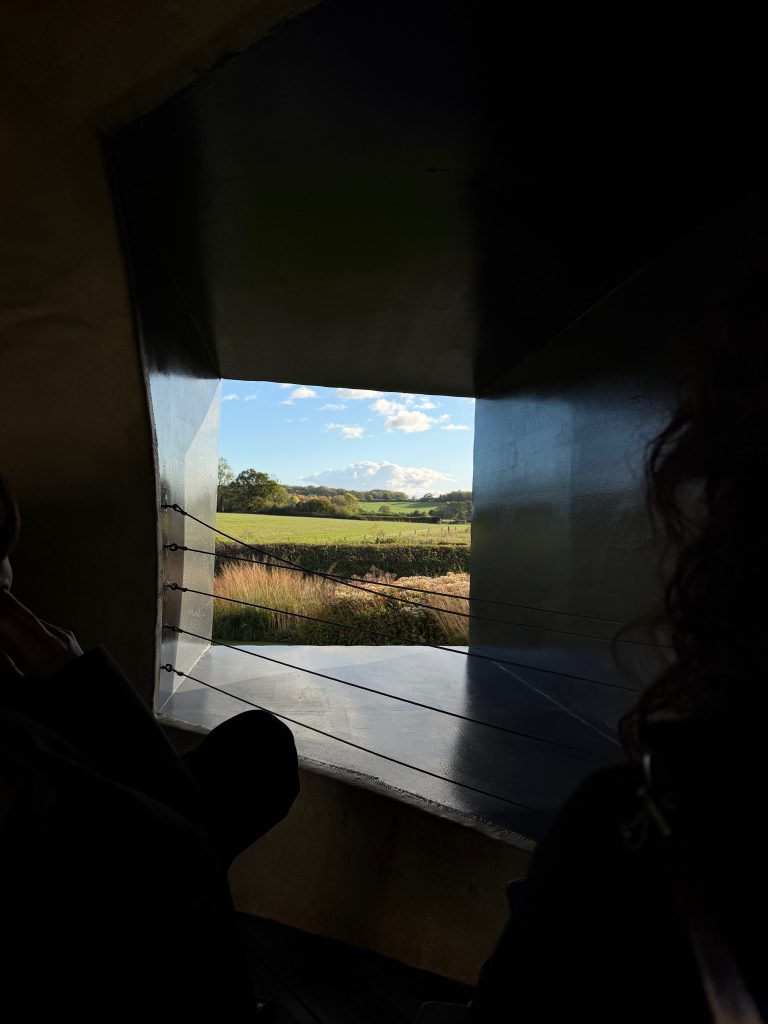
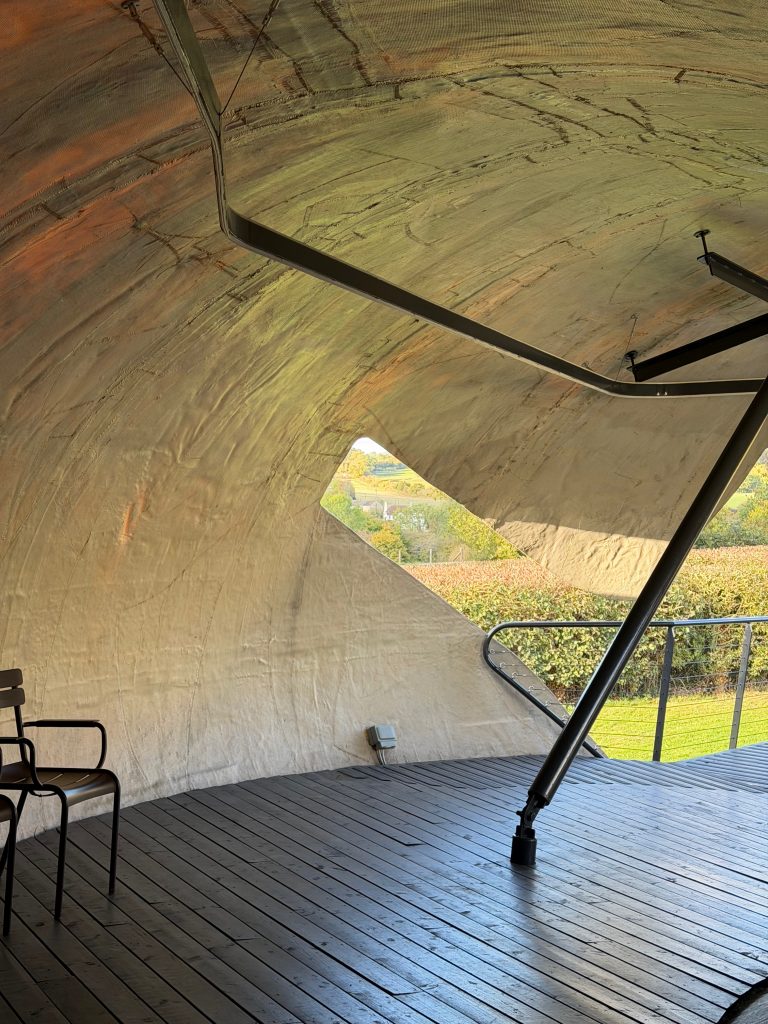
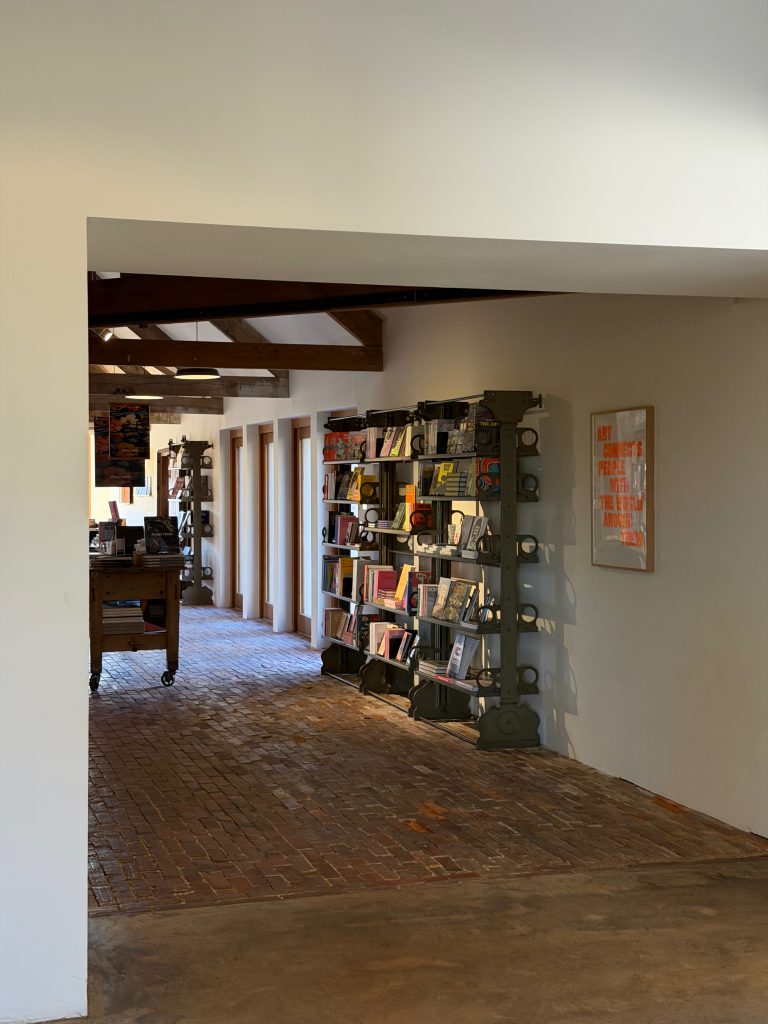
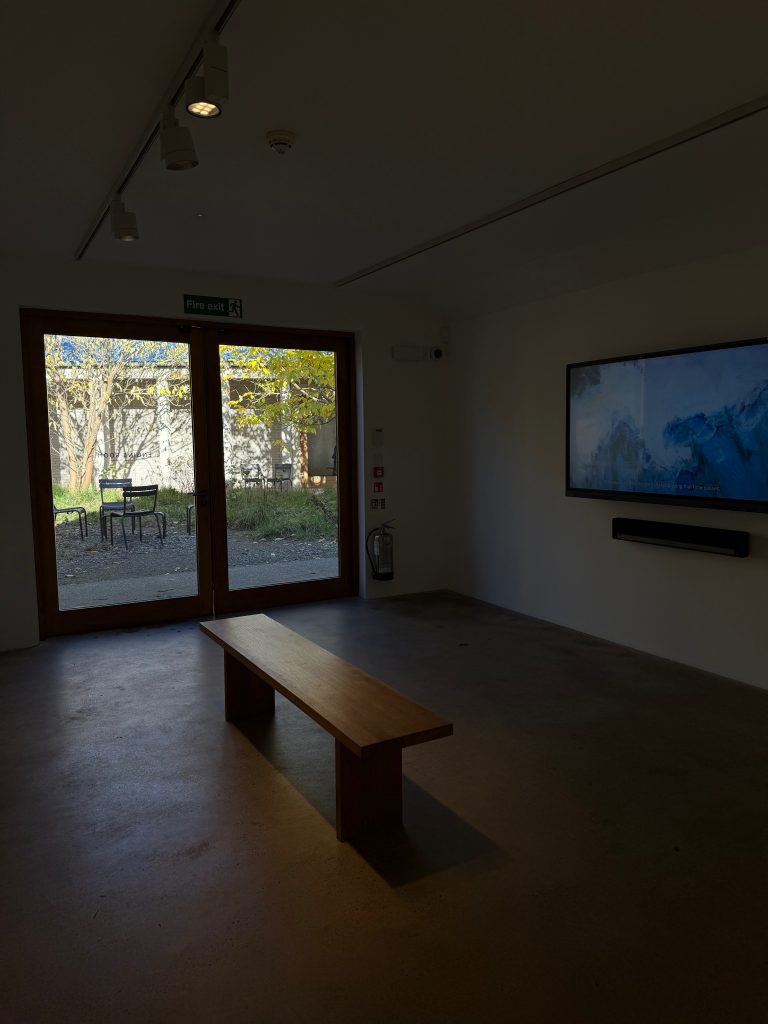
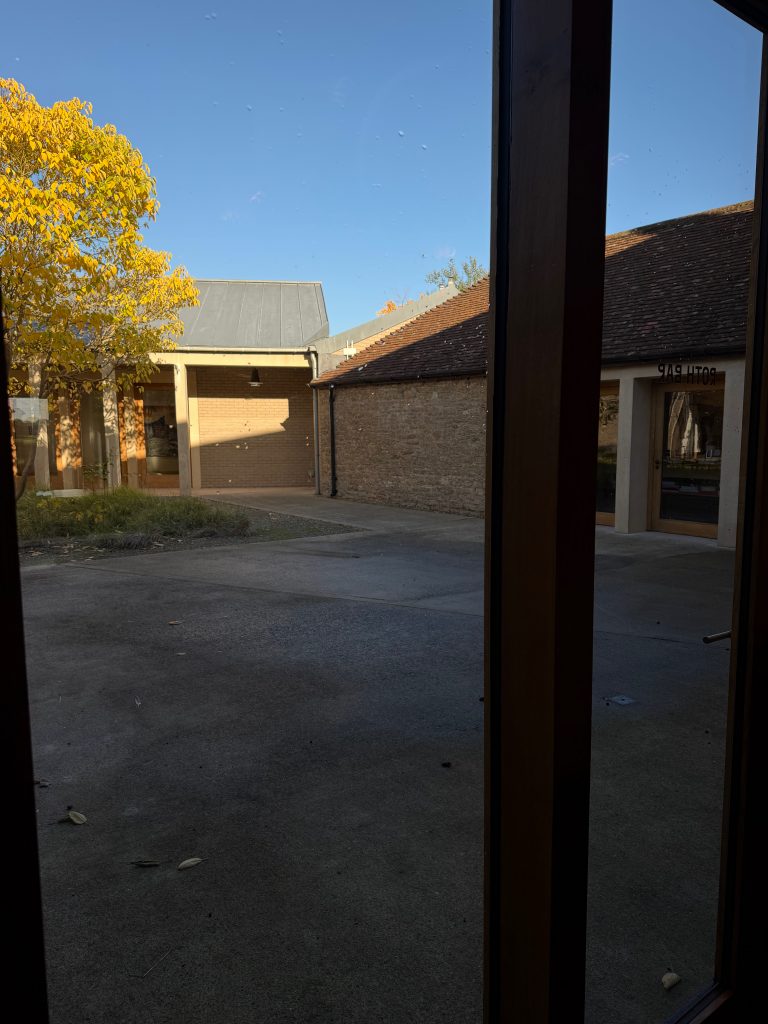
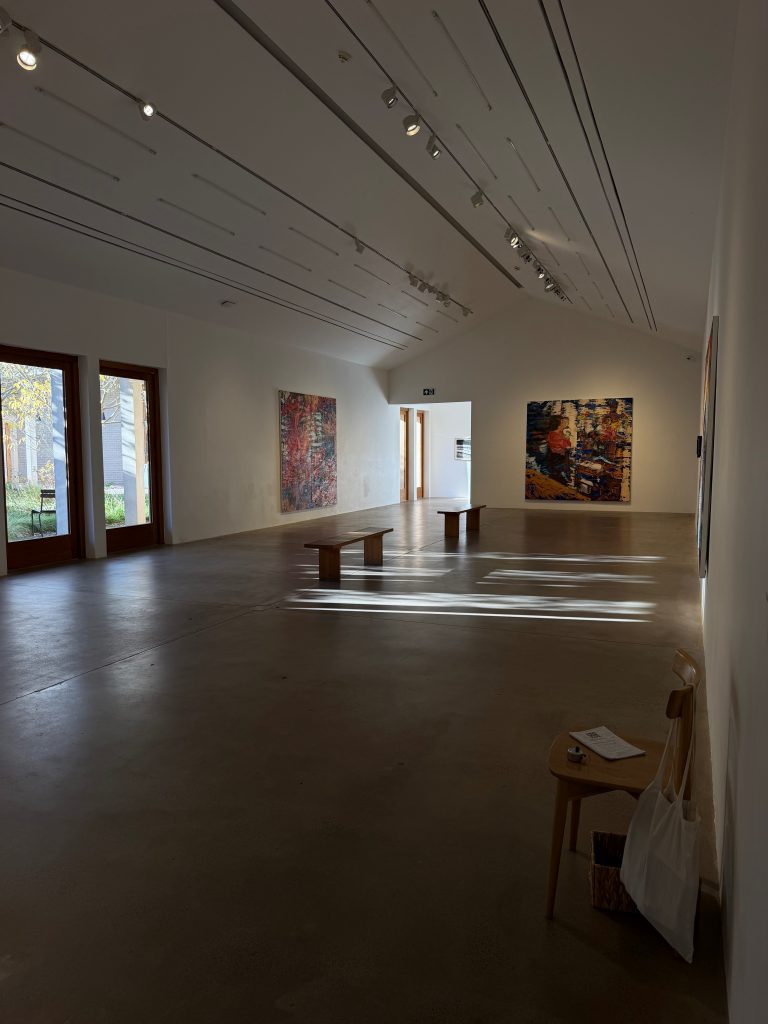
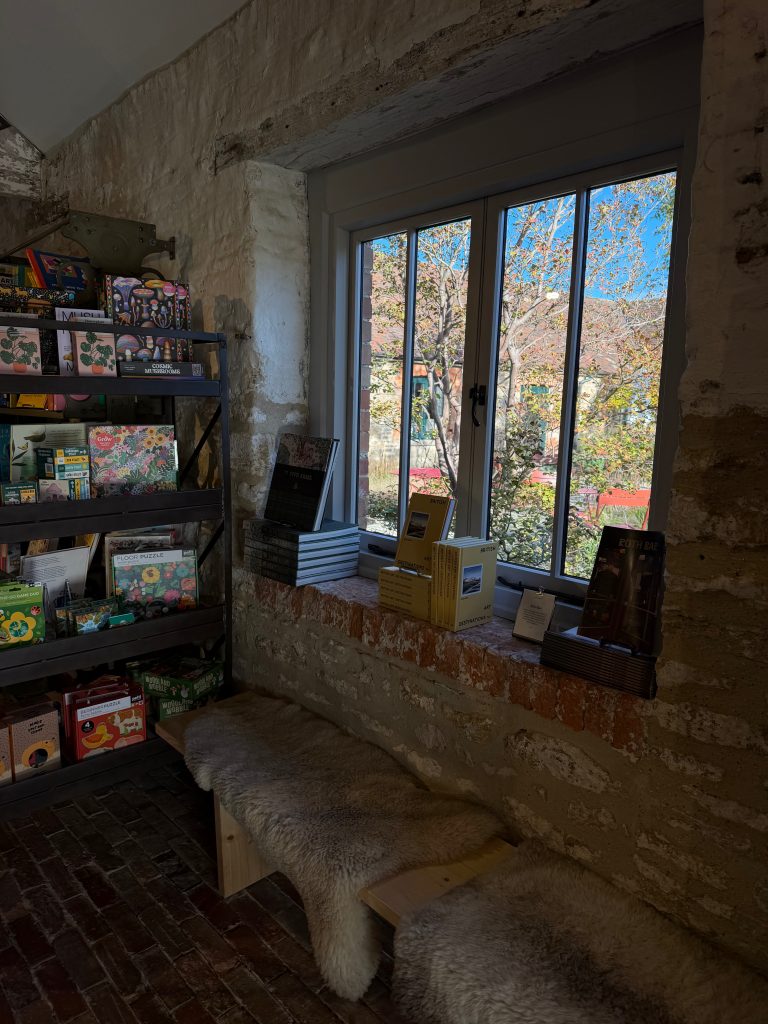
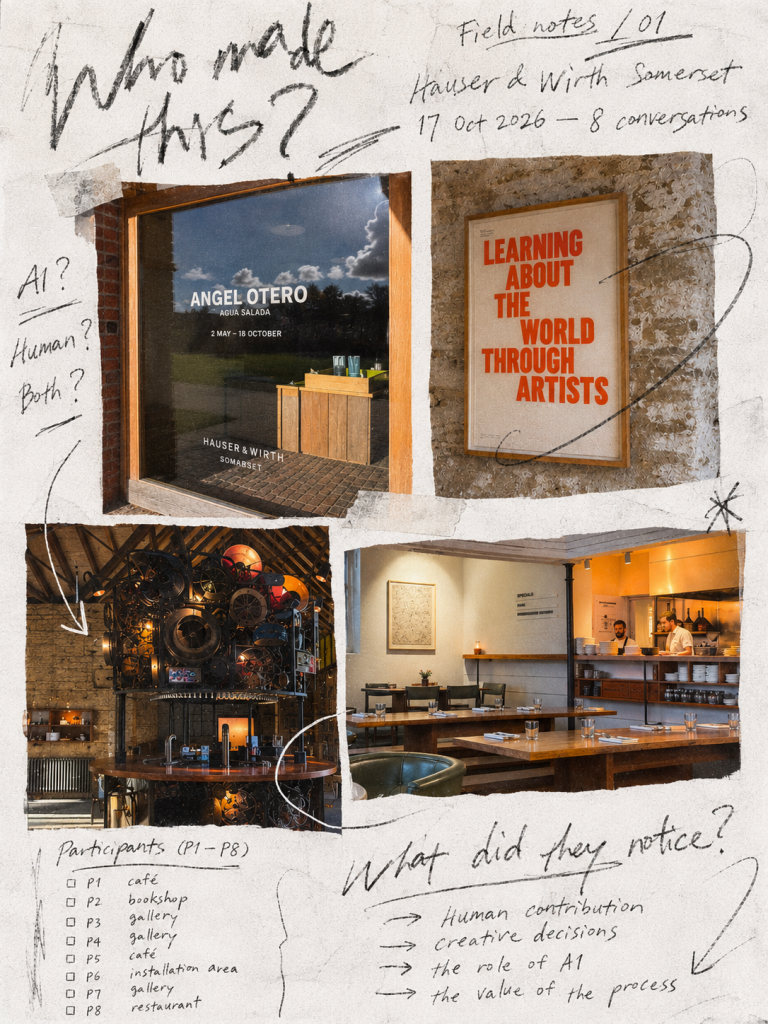
I did not arrange the eight participants in the same fixed position, but instead chose different places for them to communicate. I also kept photos of these locations, which I plan to place next to each participant’s interview content as a record of the intervention on the day.
Since there was no recording this time, the interview content in the article is compiled from my memory after the exchange, not a verbatim transcript. I have tried to preserve the main points of each person, as well as the questions they raised about the creative process, AI, and the contributions of humans.
Now that I am reviewing these records, I feel it is necessary to clarify something: although everyone discussed the same research question, their environments were not entirely the same, which may also affect how they view and understand the works.
During the exchange, I paid particular attention to what they expressed, their reactions when operating the AI in the field, and how they reinterpreted the contributions of human creativity after learning more about the production process.
1. Starting with the Experience of Gallery Staff
I first spoke with gallery staff. They regularly meet different audiences and help communicate information about artworks. I wanted to know what visitors usually ask. Do they ask about the making process? What kinds of explanations help them understand a work?
I was also interested in situations where an explanation does not help. Are some works still difficult to understand after the creative process has been explained? This made me consider whether more information always helps. Sometimes, the information may not answer the viewer’s actual question.
I also wanted to involve the staff in my research. If a work uses AI, what do viewers most need to know? Do they need to know which parts were AI-generated? Or do they need to understand why the creator used AI and what choices they made? The staff’s experience helped me adjust my questions and the way I presented information.
2. Bringing the Questions into WHO MADE THIS?
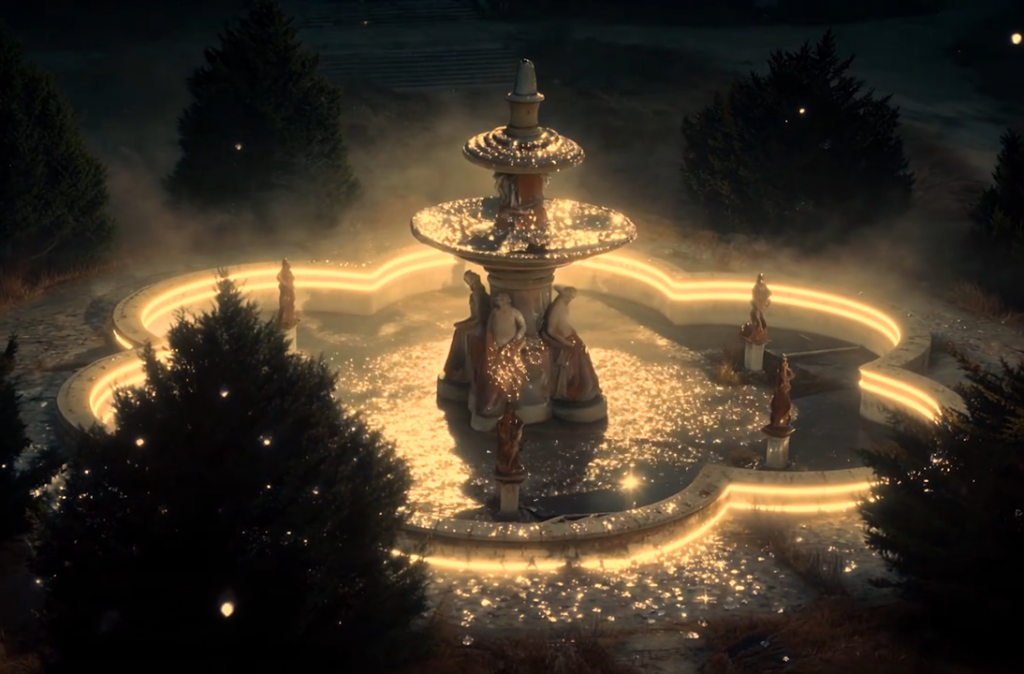
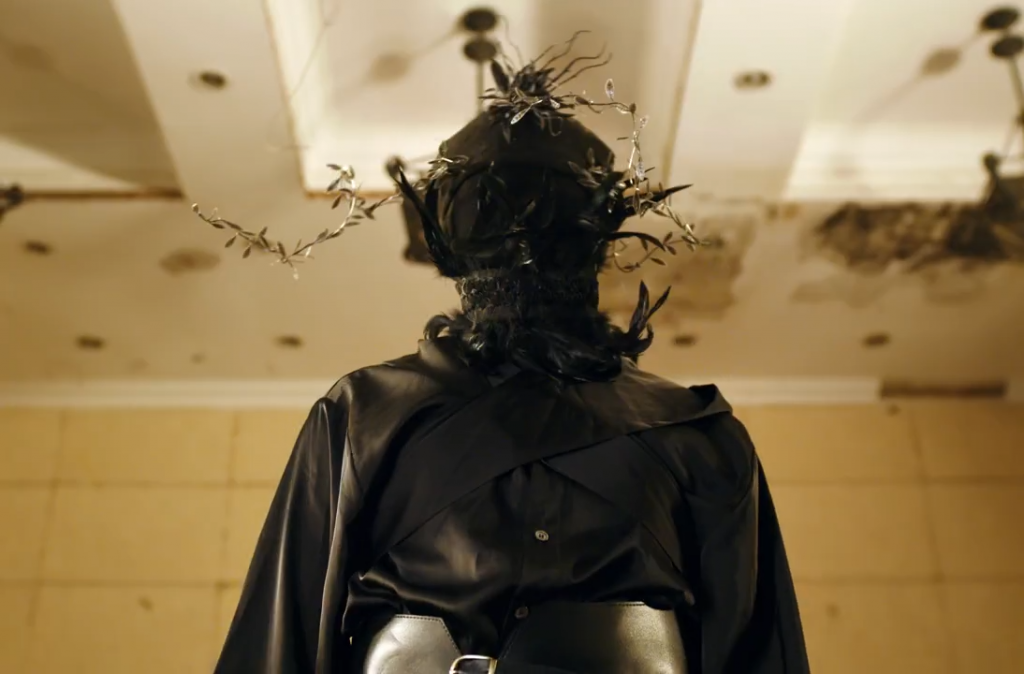
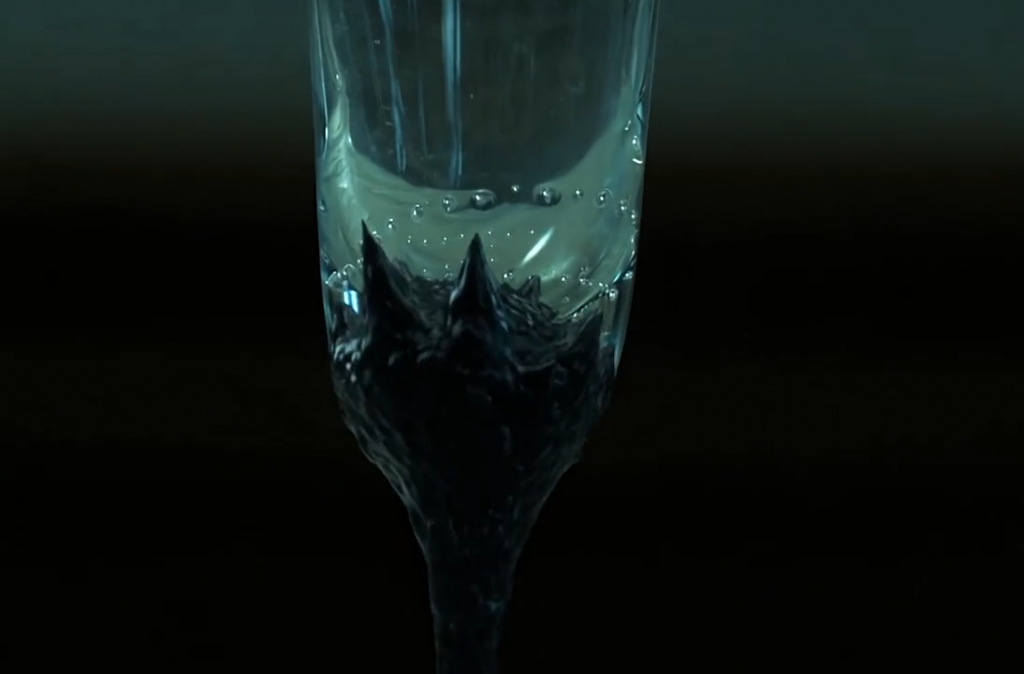
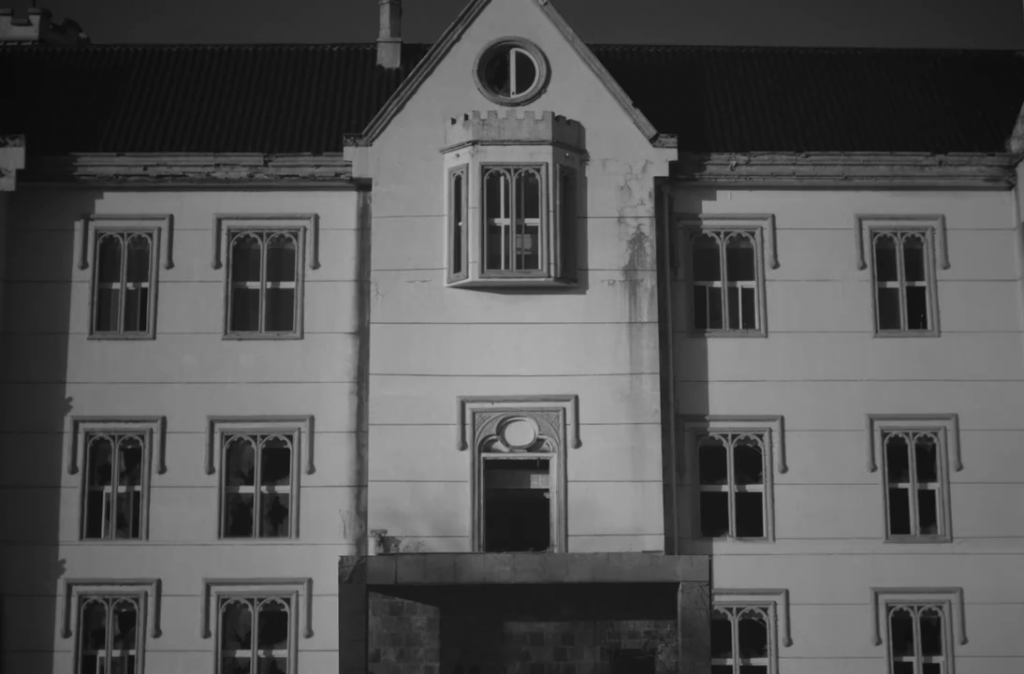
My intervention focused on a music video that combines AI-generated imagery with live-action footage. I wanted participants to watch the finished video first and describe what they thought people had contributed. I then shared production information to see whether their descriptions would change.

I briefly asked each participant whether they used AI, whether they watched AI content, and whether they had experience in art, moving image, or a related field.
After the first viewing, I asked:
“What decisions do you think people had to make to create this video? What in the video makes you think that?”
Sometimes, “creative contribution” felt too abstract. I used more concrete questions instead: Who came up with the story? Who decided to keep this image? Who decided to cut to another shot at this point?
I then shared production information that I could confirm. This included where AI was used, who was responsible for different tasks, and specific creative decisions.
After this explanation, I asked:
“How would you describe the human contribution to this video now? Is it different from what you thought before?”
P1. Jessica—A Designer Who Regularly Visits Exhibitions and Does Not Use AI
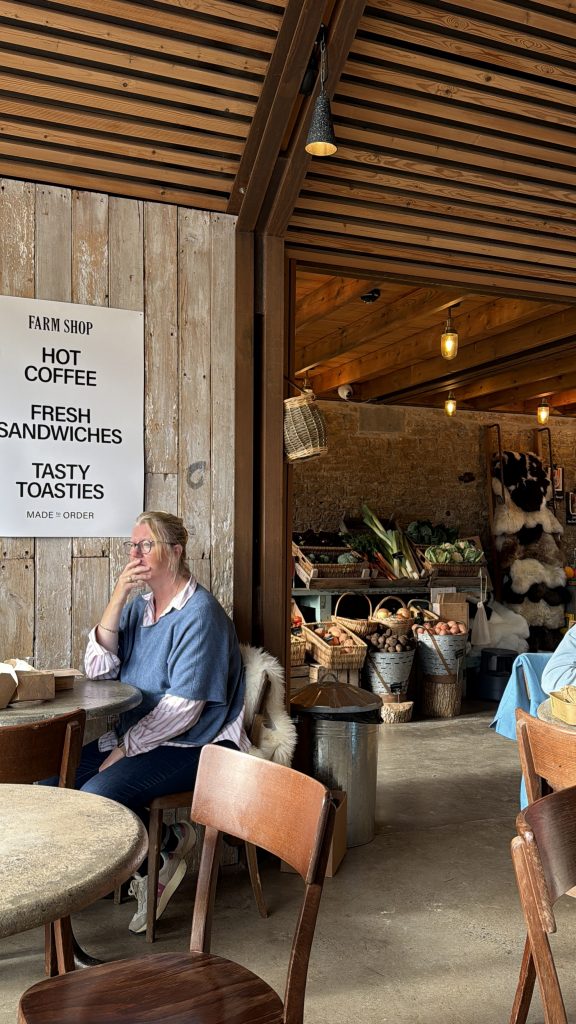
Figure 01. Location where I conducted the intervention with P1 at Hauser & Wirth Somerset, 17 October 2026.
Me: After watching this video, what do you think people mainly contributed?
Jessica: I think someone decided on the overall mood and how the music and images fit together. But I cannot tell which images were filmed and which were generated.
Me: Would knowing where AI was used help you understand the human contribution?
Jessica: It would help me understand who did what. But I would still want to know why the creator made those choices.
Me: What else would you like to know?
Jessica: For example, why was that generated image needed? How does it relate to the song? I would understand it differently if it had a clear expressive purpose, rather than simply looking good.
P2. KUN—A Visitor Who Does Not Use AI and Enjoys Visiting Exhibitions and Taking Photos
Me: What decisions do you think people made in this video?
Kun: Probably choosing the music, selecting images, and editing. I do not usually think about these things when I watch videos. I mainly notice whether they catch my attention.
Me: Would you want to hear an explanation of the creative process?
Kun: Probably not if it was too long. It would be easier to understand if you showed me one part and explained why it was edited that way.
Me: If I showed you just one decision, which would you want to see?
Kun: The transition that stood out to me earlier. Why was it placed there? What would happen if it was different?
P3. Jie Wang—A Regular Viewer of AI Short Dramas Who Did Not Share Their Occupation
Me: Do you usually watch AI content?
Jie: I come across AI short dramas, and sometimes I follow them. But I do not make them myself.
Me: How would you judge the human contribution to this video?
Jie: I would look at the story and pacing first. Even if AI made the images, I would still think someone had to put them together.
Me: Did learning about the production process change your view?
Jie: I may understand more clearly what people did. But that does not necessarily make me like the video more. Having ideas during production and making something that connects with me are different things.
Me: What information might make you reconsider your opinion?
Jie: Something that helps me notice a choice I missed before, especially if that choice makes the story work better.
P4. Hongyi Li—A Craft or Traditional Art Practitioner Who Does Not Use AI and Expressed Reservations About AI Content
Me: After learning about these choices and changes, how would you describe the human contribution?
Hongyi: I understand that the creator made choices. But I still care about whether they made the images themselves.
Me: What difference do you see between choosing and making?
Hongyi: For me, ideas also develop through making. It is not only about choosing a result at the end. I would want to know whether the creator was expressing an existing idea or gave meaning to an image after seeing what AI generated.
Me: What if both happened?
Hongyi: I would not necessarily say it lacks creativity. But I might understand the creator’s role differently.
P5. 倪好—An Art Student Who Occasionally Uses AI
Me: After watching the video, where do you see the human contribution?
倪好: I would expect it to include developing the idea, generating images, selecting results, and editing. But I also use AI, so I may be making assumptions based on my own experience.
Me: Which parts of the production explanation helped you understand more?
倪好: Knowing that someone generated many versions does not help me much. I would rather know why they chose this result and what they rejected.
Me: Would seeing a rejected version help?
倪好: Possibly. But I would need an explanation of the differences. Otherwise, I might simply think one looks better than the other.
This person is the most memorable to me, because he made me write my Chinese name instead of an English one. “倪好” means hello, we can read “Ni Hao”.
P6. Ann–An Older Artist Who Expressed Reservations About Using AI
Me: Which parts of the work would you consider creative contributions?
Ann: I would look at whether they shaped the final expression. Developing the idea and editing could count. How someone responds to unexpected AI results might also count.
Me: Would a long list of production steps make the contribution clearer?
Ann: Not necessarily. Many steps only show that a lot was done. I want to know which decision made the work what it is.
Me: How could I show that decision?
Ann: You could show the versions before and after the change, then explain why it was made. That would help me judge how the change relates to the work’s expression.
P7. Hu-An Exhibition Visitor Who Did Not Share Their Occupation
Me: What information would help you judge the creator’s contribution?
Hu: I would want to know what the creator was trying to achieve, why they chose this form, and whether the result communicated their intention.
Me: Would it be enough to tell you which images were generated by AI?
Hu: That would explain the production method, but not fully explain the creativity. I would also want to know why the project needed AI rather than filming or another method.
Me: What kind of process information would be most useful?
Hu: A specific choice and the problem it helped solve. I would not necessarily need to see every prompt.
P8. OK-A Visitor Who Does Not Use AI and Knows Very Little About It
Me: Does knowing that this video used AI affect your opinion?
OK: I might still think it looks good. But I would start wondering whether it used someone else’s work or copied another creator.
Me: Would explaining the human ideas and editing change those concerns?
OK: I would understand more about what the person did. But my questions about the sources would remain.
Me: So would you want a different kind of information?
OK: Yes. The creative process can explain what the person did. But I would also want to know where the material came from and what evidence supports the explanation.
3. What Changes Am I Looking For?
My main focus is on how participants describe human contribution before and after receiving information. Do they move from saying “the person operated the AI” to identifying a specific decision? Can they explain how that decision shaped the work? Or are they simply repeating the words I used?
I also considered three separate aspects: whether participants liked the work, how they judged human creativity, and whether they had concerns about AI sources. These responses may exist together, but they may change in different directions. Someone may better understand the creator’s work while still disliking the video. They may also continue to have concerns about its sources.
About the Choice of Locations for the Intervention
During my visit to Hauser & Wirth Somerset, I spoke with different participants in several locations, including the café, art bookshop, galleries and architectural spaces connecting the indoors and outdoors.
Each space had a different atmosphere. Some felt more like everyday spaces, while others were more traditional gallery settings. Some also had distinctive visual features of their own.
I took photographs of these locations because I wanted to document the settings where each conversation took place, rather than just recording what the participants said.
Looking back, I realised that although everyone was discussing the same research question, they were not viewing and interpreting the moving images in exactly the same environment. The artworks around them, the atmosphere of each space, and even the lighting may have influenced what they paid attention to and how they formed their opinions.
4. Responding to Diana’s Feedback
I need to think more carefully about which information is worth showing and why. Information about roles can help viewers understand who did what. Versions from before and after a change may help explain the effect of a decision. Source information may address questions of trust.
These types of information answer different questions. I need to use participants’ responses to explore whether each type is helpful.
The intervention therefore goes beyond explaining the production process. It also tests which information helps viewers develop a more specific understanding, and which information leaves questions unanswered.
5. What’s Next?
Before this intervention, I thought that if I explained the creative process and the idea behind my project clearly enough, viewers would have a better understanding of human contributions in AI-assisted moving images.
But after speaking with eight participants, I found that people were interested in different things. Some wanted to know why certain creative decisions had been made, while others questioned whether selecting or modifying AI-generated images should be valued in the same way as making something by hand. Even when people understood the human involvement, it didn’t necessarily mean they liked the work more or valued the creativity behind it.
Looking back, I realised that I had mainly been listening to viewers. Most of the eight participants were not creative practitioners and rarely used AI, so they approached the discussion from the perspective of someone looking at a finished work. Their responses were useful, but they also made me wonder: If I want human creative contributions to be recognised, shouldn’t I also be asking creators what they think? Do they actually need a way to show their contributions?
I also want to continue speaking with people who are unfamiliar with AI, as they may find it particularly difficult to tell what a person has contributed just by looking at the final image.
For my second intervention, I’m planning to speak with people from different backgrounds at Frieze London, including artists and other creative practitioners. I still want to begin by showing them the moving image and hearing their first impressions. Then I plan to invite them to experiment with prompts on a visual canvas, to see how they understand the decisions behind the image and whether the experience changes their initial opinions.
If there were a way to make human creative contributions more visible, who would actually need it? Would it be creators who want their work and decisions to be recognised, viewers who want to understand how something was made, or clients and commissioners who need to evaluate creative work?